Evaluating Broadcast Display Frame Design Vectors for Streamers and Gamers
Visual presentation has become a defining element of online content creation, particularly for streamers and gamers who rely on distinctive screen layouts to engage their audience. A Broadcast Display Frame Design Vector is one resource that has gained attention among creators looking to customize their on-screen environment. These digital assets offer decorative borders, interface panels, and streaming frame templates that can be applied to various broadcast setups. Understanding what these files offer, how they function in practice, and whether they suit your specific needs can help you make a more informed choice before committing to a purchase or download.
What a Broadcast Display Frame Design Vector Actually Contains
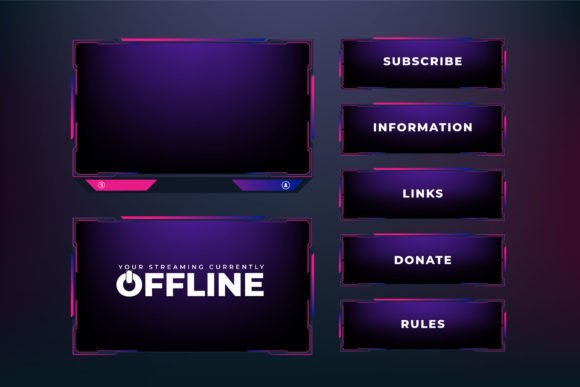
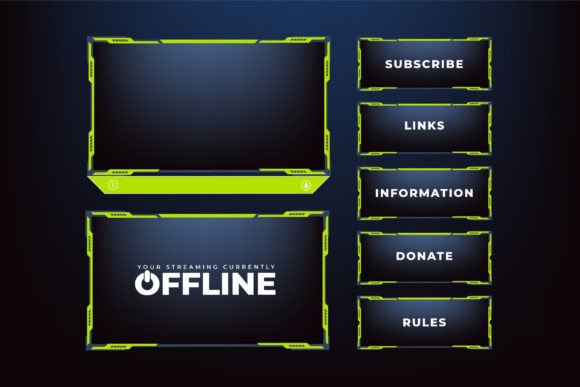
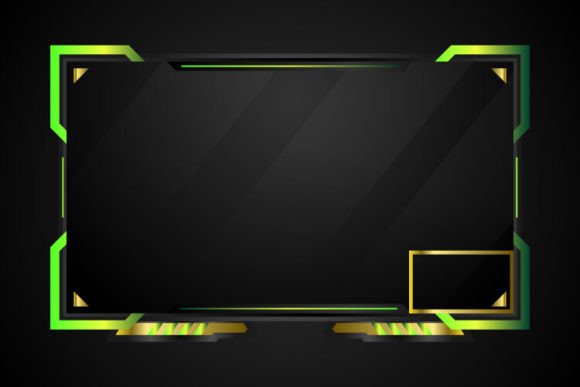
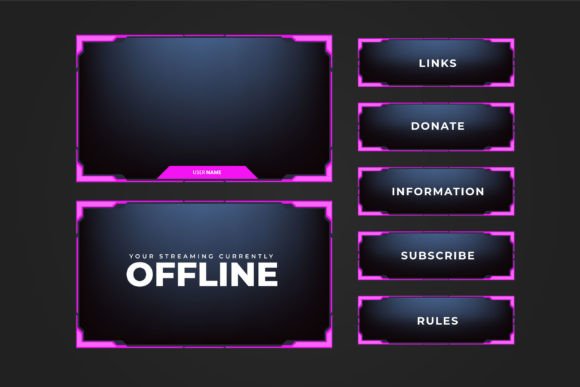
At its core, a Broadcast Display Frame Design Vector is a set of digital graphic files intended to serve as decorative or functional overlays for streaming and gaming interfaces. These typically include border templates, screen panels, chat box frames, alert decorations, and other interface elements that sit around the main content area of a broadcast. The files are usually provided in scalable vector formats such as AI, EPS, or SVG, alongside ready-to-use JPG or PNG versions.
The specific collection referenced here originates from the Iftikhar Alam Graphic Store and features futuristic gaming screen panels set against dark backgrounds. The aesthetic leans toward a modern, tech-inspired look that appeals to female gamers and streamers seeking a polished, cohesive visual identity. The dark backdrop helps on-screen elements stand out, while the frame decorations add structure without overwhelming the primary content.
Because the files are delivered in a compressed ZIP archive, users need extraction software such as WinZIP or WinRAR to access them. Once extracted, the vector files can be edited using applications like Adobe Illustrator, allowing for customization of colors, sizes, and individual elements to match a channel's branding.
Why Creators Consider These Vector Frame Designs
There are several practical reasons someone might evaluate a Broadcast display frame design vector for their streaming setup. For new streamers, building a professional-looking overlay from scratch requires either design skills or the budget to hire a graphic designer. Pre-made templates offer a middle ground—providing a finished look without the steep learning curve or cost associated with custom design work.
For established creators, these designs can serve as a foundation for rebranding efforts or seasonal refreshes. Rather than committing to a full custom overlay package, a creator might test different aesthetics using affordable vector templates before deciding on a long-term visual direction. The editable nature of vector files means that elements can be adjusted, combined, or simplified over time.
Another motivation is consistency. A stream that uses matching frame designs across different scenes—such as starting soon screens, intermission panels, and gameplay overlays—appears more intentional and organized. Audiences often respond positively to visual cohesion, associating it with professionalism and reliability.
Benefits of Choosing a Vector-Based Frame Template
Opting for a vector-based design over a raster image carries specific advantages that are worth weighing carefully. The primary benefit is scalability. Vector graphics can be resized to any dimension without losing sharpness or clarity, which is especially important for streamers who broadcast at different resolutions or plan to repurpose their overlays across multiple platforms.
Another significant advantage is editability. A Broadcast Display Frame Design Vector can be opened in software like Adobe Illustrator, where individual components can be recolored, reshaped, or removed entirely. This flexibility means the design can evolve alongside a channel's branding without requiring a complete replacement. Creators can adjust frame thickness, swap accent colors to match seasonal themes, or isolate specific elements for use in other projects.
Additionally, vector files tend to be smaller in storage size compared to high-resolution raster images, making them easier to store, share, and archive. For those who manage multiple branding sets or collaborate with other creators, this practicality can simplify file management significantly.
Tradeoffs and Realistic Expectations
While vector frame templates offer clear benefits, there are tradeoffs to consider before relying on them for a live broadcast. One important factor is the learning curve associated with vector editing software. Although the product description mentions that users should be able to modify the files with Adobe Illustrator, not everyone has access to or experience with such tools. Free alternatives like Inkscape exist, but they may require additional effort to learn.
Another consideration is the time investment required for customization. A pre-made design can shorten the design process, but it rarely eliminates it entirely. Colors may need adjustment to match an existing palette, text placeholders must be personalized, and the overall composition might need tweaking to fit a specific streaming software layout. Buyers should anticipate spending some time refining the template before it is broadcast-ready.
There is also the matter of originality. Because these templates are sold as digital products, other streamers may use the same base design. While customization can reduce visual overlap, the core structure remains shared. For creators who prioritize a completely unique visual identity, this may be a meaningful limitation.
When a Broadcast Display Frame Design Vector Is a Strong Fit
Certain situations align particularly well with the strengths of these template products. If you are a streamer who values a cohesive interface but lacks either the budget for a custom designer or the advanced skills to create vector graphics from scratch, a pre-made Broadcast display frame design vector can bridge that gap effectively. The dark background and futuristic styling make it especially suitable for gaming content that benefits from a sleek, technology-forward atmosphere.
These designs also work well for creators who stream a variety of game genres and need a versatile frame that does not clash with different visual styles. A neutral but stylized border can frame gameplay without distracting from the action, and the modular nature of vector files means you can pick and choose which panels to use for different scenes.
Additionally, if you anticipate rebranding periodically, the editable vector format offers more longevity than a static image. You can preserve the structural framework while updating colors, typography, or accent elements to reflect new branding directions without starting over entirely.
Scenarios Where Alternatives May Be Worth Exploring
Despite their practical appeal, vector frame templates are not the ideal solution for every creator. If you have a very specific aesthetic vision that diverges from the template's core design, starting from a custom illustration or commissioning a designer may yield more satisfying results. Templates carry inherent design constraints, and pushing them too far outside their original structure can become more labor-intensive than creating something new.
Streamers who prioritize rapid deployment over customization might also find that raster-based overlay packs with pre-configured streaming software files save more time. Some alternatives come with ready-made scenes for OBS or Streamlabs, eliminating the need for manual placement and editing. If speed and ease of setup rank higher on your priority list than design flexibility, these alternatives deserve consideration.
Budget is another factor. While individual vector template packs are generally affordable, costs can accumulate if you purchase multiple designs or require additional software subscriptions for editing. Evaluating the total investment—including time, tools, and potential supplementary assets—can help clarify whether this path aligns with your resources.
Practical Questions to Guide Your Decision
Before purchasing or downloading a Broadcast Display Frame Design Vector, reflecting on a few key questions can sharpen your evaluation:
- Do you have access to vector editing software and the willingness to learn its basics? If the answer is no, you may need to budget time for learning or consider whether the included JPG files alone meet your needs.
- How important is visual uniqueness to your brand? Streamers who view their overlay as a core differentiator might prioritize custom work, while those focused primarily on content may find templates perfectly sufficient.
- What resolution do you stream at, and how often do you change layouts? The scalability of vectors becomes more valuable if you frequently adjust your output settings or experiment with different scene compositions.
- Does the futuristic, dark-themed aesthetic complement the games you play and the audience you serve? A mismatch between overlay style and content tone can create subtle but persistent friction in viewer experience.
Understanding the Included Formats and Their Practical Uses
The product provides both vector and JPG files, and each format serves distinct purposes in a streaming workflow. Vector files are the editable source material, ideal for deep customization and archival storage. JPG files, while not editable at the same level, can be immediately imported into streaming software and placed on screen. This dual-format approach means you can use the ready-made JPG versions right away while reserving the vector files for future refinements.
The ZIP compression mentioned in the product listing is standard for digital asset delivery, and most modern operating systems can extract ZIP files with a simple double-click. However, users unfamiliar with compressed archives should note that extraction is a necessary first step before any files become usable. Keeping extracted files organized in clearly named folders can prevent confusion later, especially if you accumulate multiple template packs over time.
How This Fits into a Broader Streaming Visual Strategy
A Broadcast display frame design vector functions best when viewed as one component of a larger visual ecosystem. The frame decoration sets the stage, but complementary elements such as alert animations, webcam borders, and transition stings contribute equally to the overall impression. Evaluating how a particular frame template interacts with your existing assets—or whether you plan to build a full suite around it—can influence how satisfied you remain with the choice in the long run.
Some creators adopt a phased approach, starting with a frame template and gradually adding custom elements as their channel grows. The vector format supports this incremental evolution, allowing foundational designs to persist while details become more personalized over time. This adaptability can extend the useful life of a single purchase considerably.
Ultimately, the decision to use a Broadcast Display Frame Design Vector depends on a balance between creative control, practical constraints, and visual goals. By weighing the benefits of editable scalability against the effort required for customization, and by honestly assessing how the available aesthetics align with your content identity, you can determine whether this type of resource genuinely supports your streaming ambitions or whether a different approach would serve you better.