The Art and Utility of Game Controller Vector Illustration
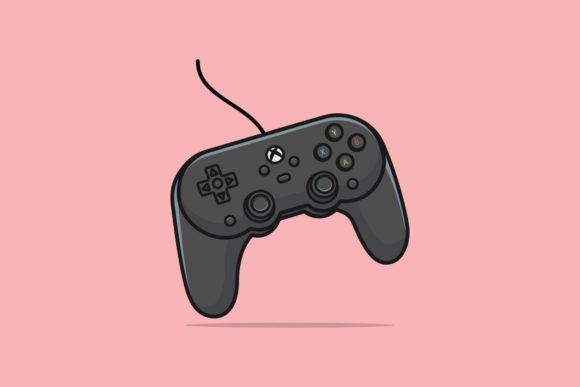
When you think of a video game controller, you likely picture the physical device in your hands. But in the digital design world, that iconic shape transforms into something more versatile: a Game Controller Vector Illustration. This is a digital graphic created using mathematical points and paths, rather than pixels, allowing it to be scaled infinitely without losing any quality. Unlike a standard photo or JPEG, a vector file like an SVG or EPS describes the controller as a series of lines, curves, and shapes. This fundamental difference makes it a powerhouse asset for creators across numerous fields, far beyond just gaming blogs.
Beyond the Screen: Where Controller Vector Art Thrives
The clean, scalable nature of video game controller vector illustration opens doors to applications many don't initially consider. Its primary strength is adaptability. Whether you need a tiny icon on a mobile app or a massive wall graphic for a trade show booth, the same vector file can produce both with crisp perfection. This makes it indispensable for professional design workflows.
For the Brand and Marketing Professional
If you're promoting a gaming event, a tech product, or even a sports bar with a gaming corner, these vectors are your visual shorthand. Imagine using a stylized joystick gamepad vector design on event flyers, social media banners, and website headers. The consistency across all mediums is seamless because you're using the same master file. They integrate beautifully into logos for indie game developers or gaming communities, offering a recognizable symbol that can be tweaked and colored to match any brand palette.
For the UI/UX Designer and App Developer
In user interfaces, clarity is king. A well-designed game controller vector icon within a settings menu or a tutorial screen communicates function instantly. Using SVG files, which are natively supported by web browsers, means these icons load quickly and look sharp on any device resolution. They are perfect for interactive elements, where a button might change color when selected—the vector format allows for easy CSS manipulation compared to a static PNG.
For the Content Creator and Educator
Bloggers, video producers, and tutorial creators constantly need clear visuals. A vector illustration of a gamepad can be broken apart, animated, or highlighted in specific areas to explain controller layouts, button functions, or compare different console generations. Embedding these vectors into infographics about gaming history or eSports demographics makes complex information more engaging and digestible.
The Practical Advantages of a High-Quality Vector Pack
When a resource offers "100 high quality vector" files with EPS, PNG, and SVG formats included, it's solving multiple practical problems at once. The EPS file is a legacy standard still preferred by many professional print shops and Adobe software users. The PNG provides a ready-to-use, rasterized image for quick placements where vector scaling isn't immediately needed. The SVG is the modern web standard, essential for digital design. Having all three means you are equipped for any project request or collaboration, regardless of your client or colleague's preferred software.
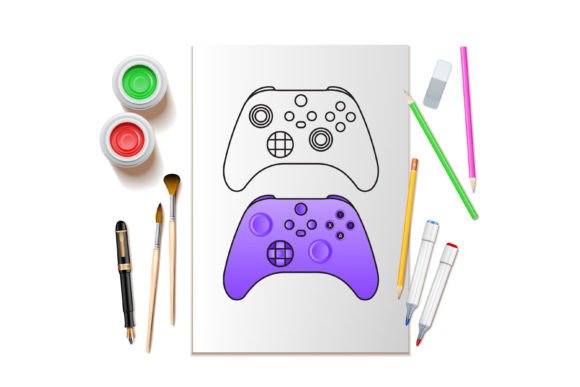
The "easily editable" aspect is perhaps the most significant benefit. A vector illustration is not a fixed image; it's a blueprint. You can change the color of every button individually, thicken the outline, or even reshape the entire controller if your design calls for a more stylized look. This empowers you to create a unique asset from a professional base, saving hours of initial drawing time. You aren't just using an image; you're adapting a design tool.
Considerations Before You Download or Create
While game controller vector illustration is incredibly useful, a bit of forethought ensures you get the right asset for your needs. First, consider the style. Is it a realistic, detailed depiction of a specific PlayStation or Xbox controller? Or is it a minimalist, flat icon meant for a sleek app interface? The choice should align with your overall project's visual language.
Second, think about compatibility. While SVG is widely supported, some older design systems or specific print workflows might require an EPS or even a converted AI file. Ensuring you have access to the formats you, or your team, actually use is key. Lastly, ponder licensing. Many vector resources are free for personal use but require a license for commercial products. Always verify the terms to avoid complications down the line.
A Note on Limitations and Creative Vision
The potential limitation of a pre-made vector pack is one of originality. If you use a very common, widely available vector, your design might look similar to others. This is where the editable nature turns a limitation into an opportunity. By modifying colors, adding unique texture effects, or combining the controller graphic with other elements, you can craft a distinctive visual. The vector is your starting point, not your final destination.
Observations from Real-World Use
In practice, the demand for these assets often surprises people. I've seen game controller vector illustrations used in corporate presentations to symbolize "user input" or "interactive technology" in a non-gaming context. Sports gaming objects icon concepts appear in athletic brand materials targeting the esports crossover audience. Educational materials for children sometimes use simplified, colorful vector gamepads to teach basic shapes or technology concepts.
The common thread is symbolism. The video game controller has become a cultural icon representing interaction, play, digital innovation, and connectivity. A well-executed vector illustration captures that symbol in a form that can work anywhere. From a t-shirt print to a smartphone app icon, its utility is defined not by its subject, but by its scalable, editable, and professional format. It’s less a picture of a controller, and more a design component waiting for your project.