I Paused My Game to Be HERE: The Cultural Significance of Gaming-Inspired Craft Designs
The Language of Commitment: How a Simple Phrase Connects Communities
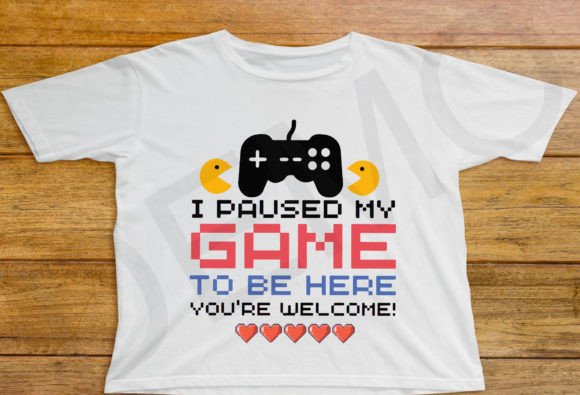
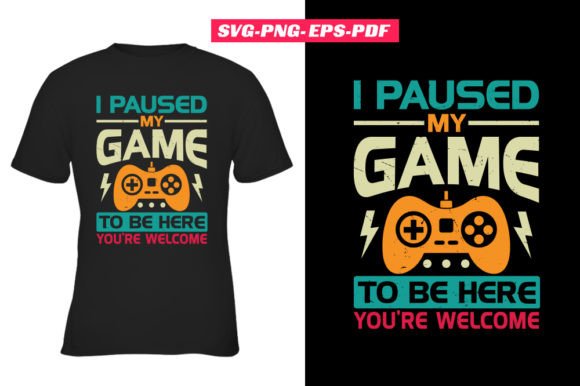
Words carry weight in any subculture, and for those navigating the intersection of digital play and real-world relationships, a statement like “I Paused My Game to Be HERE You're” becomes a powerful token. It bridges two often-competing spheres: the immersive escape of gaming and the tangible presence required by family events, friendships, or creative meetups. This phrase, humorous yet deeply authentic, acknowledges a deliberate choice—a sacrifice of one passion for another. In crafting communities, such slogans transform from mere text into shared in-jokes printed on T-shirts, stickers, planners, and cards. They validate the identity of someone who takes gaming seriously but also values human connection. The design itself acts as a conversation starter, sparking recognition and laughter among strangers who immediately understand the background tension between raid schedules and birthday parties.
Beyond personal use, these designs fuel a micro-economy of digital art where emotion meets utility. Crafters purchase, download, and reproduce the artwork onto physical items not just for decoration but to communicate belonging. When you see “I Paused My Game to Be HERE You're” on a notebook at school or a sticker on a laptop during a conference, it signals a duality: productivity coexists with a vibrant inner hobbyist. The phrase normalizes that balancing act, making it less about guilt and more about informed, loving prioritization. For those creating the printable files—SVGs, PNGs—they must understand this emotional core to design typography and layouts that resonate across age groups and settings.
From Pixels to Paper: Translating Digital Worlds into Tangible Art
Gamers inhabit beautifully rendered digital environments, but the tactile satisfaction of a finished craft project offers a complementary joy. Printable designs act as conduits for that creativity. The leap from screen to substrate involves a chain of technical decisions that affect final quality. A design featuring a bold gaming motto must maintain crisp edges whether printed on cardstock, vinyl, or iron-on transfer material. This is where file formats become critical. The provided bundle including SVG, EPS, AI, PDF, and transparent PNG ensures compatibility across different cutting machine software and manual printing methods. Each format serves a distinct purpose: vector files like SVG and EPS scale infinitely without losing clarity, making them ideal for resizing a sticker from a small planner icon to a large T-shirt graphic, while raster PNGs preserve complex shading and transparency for digital mockups.
Consider a community educator preparing workshop materials. They might use the AI file to quickly tweak colors in Adobe Illustrator, then export a simplified version for students. A hobbyist without premium software relies on the PDF to print directly, or the transparent PNG to layer over a digital scrapbook. The design is not just an image; it is a toolkit. When the central phrase “I Paused My Game to Be HERE You're” is embedded in these files, it undergoes a transformation from a witty line into a modular unit of expression. Users adapt it to suit a baby shower card, a thank-you note for a Dungeon Master, or a phone case insert. This versatility teaches a fundamental principle of digital design: asset creation that solves multiple problems earns loyalty and repeated use.
Materializing Fandom: The Technical Side of Printable Transfers
A successful print-and-cut project depends on mastering a few physical and digital workflows. Start with the ZIP file containing compressed versions of all graphic assets. Extraction through tools like WinZIP or WinRAR is the gateway step, yet many newcomers stumble here. After decompression, the user must identify which file type matches their machine and project scope. For Cricut and Silhouette cutting machines, SVG files reign supreme because they carry the vector data needed for blade paths. Meanwhile, someone creating heat transfers for fabric may prefer working with a high-resolution PNG imported directly into the cutting software, bypassing vector complexities. Understanding these options prevents frustration and material waste.
Vector Versus Raster: Choosing the Right Format for Your Project
Vector files (SVG, EPS, AI) rely on mathematical equations to define shapes. They are resolution-independent, allowing you to take a small sticker design sized for a journal and scale it up to a poster without pixelation. This makes them indispensable for professional applications like sign printing or screen printing. Raster files (PNG) consist of a fixed grid of colored pixels. A transparent PNG with 300 DPI or higher works perfectly for direct printing on cardstock, as long as you don't enlarge it beyond its original dimensions. The difference becomes apparent when you cut: vectors produce clean, continuous cut lines, while rasters require tracing operations that can introduce slight inaccuracies. When a design boasts a complex slogan like I Paused My Game to Be HERE You're with decorative text flourishes, the vector version preserves every curve with precision, ensuring the final decal mirrors the artist's intent.
Crafting Narratives: Personalization in Gaming Merchandise
Customization drives the modern hobby economy. Generic retail products rarely capture the specific humor or sentiment of a niche group, but a digital download grants complete editorial control. You can place the “I Paused My Game” phrase alongside a character illustration, alter the color scheme to match a wedding palette, or combine it with a date for a commemorative item. Scrapbookers use such designs to annotate pages about gaming conventions or online friendships, layering stickers over photos and journaling cards. Card makers incorporate the slogan into birthday greetings for partners who rarely leave their desktop stations—an affectionate jab that feels more personal than a store-bought card.
Gift-Giving in the Gaming Age: Customized Tokens of Shared Experience
Gifts derived from printable designs occupy a unique niche. They signal effort and attentive curation. Imagine crafting a set of decals for a co-op gaming group: each member receives a water bottle sticker with the phrase, but in slightly different fonts or colors matching their personality. The act involves researching their preferences, executing the print-cut-weed process, and packaging the result thoughtfully. For family members less familiar with gaming culture, the design explains a loved one's world in an approachable, amusing way. A mother might not understand MMO raids, but she understands pausing something important to be present. This translation function of craft design strengthens bonds across generational and cultural divides.
The Workflow of a Digital Craft: From Download to Finished Product
A repeatable process turns a digital file into a lasting artifact. After unzipping the bundle, you open your cutting machine's software—Cricut Design Space or Silhouette Studio. Importing an SVG brings in the design as layered elements that can be grouped, resized, and assigned different cut actions. For a sticker printed on adhesive vinyl, you would set the software to “Print then Cut,” which prints the design on a home printer with registration marks before the cutting machine scans those marks to align the blade. Using a PDF is even simpler for those without a cutting machine; just load quality paper and hit print, then manually cut around the outline with scissors or a craft knife.
Optimizing Your Cricut or Silhouette Settings for Perfect Prints
Material selection dictates the machine settings. For iron-on vinyl (HTV), you must mirror the design before cutting because it is applied face down. The pressure and blade depth differ between glossy sticker paper, cardstock, and permanent vinyl. Test cuts on a small corner of the material prevent ruining an entire sheet. When the design includes the phrase “I Paused My Game to Be HERE You're” in a delicate script font, reducing cutting speed helps the blade navigate tight curves without tearing. After weeding excess vinyl, a transfer tape application extracts the stickier the design, allowing precise placement on the target surface. Each successful project builds confidence, turning a digital joke into a piece of wearable or displayable art.
Economic and Environmental Considerations in Digital Crafting
The shift from physical retail to digital downloads carries profound implications. Buyers receive instant access without shipping fees, packaging waste, or carbon emissions from transit. For the crafter, the investment is in reusable digital stock; one folder of designs can produce dozens of stickers, shirts, or decorations over years. This affordability democratizes creativity, letting students and budget-conscious enthusiasts participate in maker culture. The note accompanying many designs—that the actual files may not be shared or resold—protects this economic model. Reselling or freely distributing the digital assets undercuts the artist's ability to earn from their work and can flood online marketplaces with inferior, unlicensed copies. Respecting these terms ensures a sustainable ecosystem where independent designers keep producing fresh content.
The Shift from Physical to Digital: Implications for Hobbyists and Small Businesses
Small business owners leverage such designs to offer personalized products at craft fairs and online shops. They purchase commercial-use licenses (where available) and incorporate the artwork into their merchandise lines. The transparent PNG with its simple phrase becomes a best-seller when ironed onto tote bags or framed as humorous wall art. For educators leading maker labs, the availability of multiple file formats means they can introduce graphic design fundamentals without expensive software, using free tools like Inkscape to edit SVGs. The entire model revolves around access, education, and the ethical exchange of creative value.
Community and Collaboration: How Gaming Designs Foster Social Bonds
Online forums and social platforms blossom with project photos, tutorials, and troubleshooting discussions. A crafter who successfully applied a curly-edged sticker to a curve-necked mug shares their method, inspiring others. The “I Paused My Game” design becomes a community rallying point; users post their interpretations, ask for file modification advice, or request complementary designs. This participatory culture mirrors gaming guilds and teams, where cooperation leads to higher achievements. Virtual crafting circles bridge geographic distance, allowing a retiree in one country to help a teenager in another align their cut settings. The shared language of gaming humor accelerates trust and rapport.
From LAN Parties to Craft Circles: The Evolution of Geek Hobbies
Historically, gaming and crafting occupied separate recreational spheres. LAN parties epitomized a hyper-connected, tech-heavy atmosphere, while craft circles conjured images of quiet domestic creativity. Today, these lines blur. Designers build crossover content specifically for the gamer-crafter, and events blending cosplay, tabletop gaming, and DIY workshops thrive. Printable designs are the tactile souvenirs of these hybrid gatherings. Wearing a shirt or displaying a sticker from such an event merges the immediacy of the digital game with the permanence of physical remembrance. The phrase “I Paused My Game to Be HERE” perfectly captures this fusion: it is a badge of the present moment, a pause button on one identity to engage fully with another.
Intellectual Property and Ethics in a Shared Digital Space
Creative ownership in the digital age requires active vigilance. When a designer uploads original artwork incorporating clever wording, they stake a claim protected by copyright. The disclaimer that files may not be shared or resold is not merely legal boilerplate; it is a social contract with the buyer. Redistributing these files to friends or uploading them to freebie sites diminishes the perceived value of all digital art. It also encourages a race to the bottom where quality declines because no one can earn enough to justify the labor. Consumers play a role by supporting legitimate purchase channels and reporting unauthorized copies. This ethical partnership ensures that unique voices—those who invented the “I Paused My Game to Be HERE You're” motif—continue contributing to the creative commons through proper compensation.
Respecting Creators: The Importance of Purchase Agreements in Digital Art
When you buy a digital design, you acquire a license to use the files for personal projects, and sometimes for limited commercial output. Reading the fine print clarifies whether you can sell completed physical items, how many units, and whether attribution is required. For designs intended for print-and-cut machines, these terms often permit unlimited personal use but strictly forbid digital redistribution. Violations can lead to account suspensions on selling platforms and, in severe cases, legal action. Ethical consumption means treating the sale as a transaction that funds the next creative idea. Communities that police these norms attract more talented artists, expanding the range of available designs for everyone.
Future Trends: Where Gaming and Crafting Intersect
Augmented reality and smart materials hint at a future where a printed sticker reveals a hidden message when viewed through a phone camera, or a T-shirt graphic changes pattern based on body temperature. Imagine ironing on a decal with the phrase “I Paused My Game to Be HERE,” then scanning it to unlock a digital badge or exclusive in-game item. The convergence of physical craft and digital interaction will deepen, and the underlying technical foundation—clean SVG layers, high-res transparent PNGs, editable AI files—will remain essential. Designers who master these formats today set themselves up for the hybrid realities of tomorrow. The core appeal, however, stays constant: expressing identity through the objects we wear, display, and gift. A well-designed phrase, humorous and resonant, continues to bridge worlds no matter the medium.