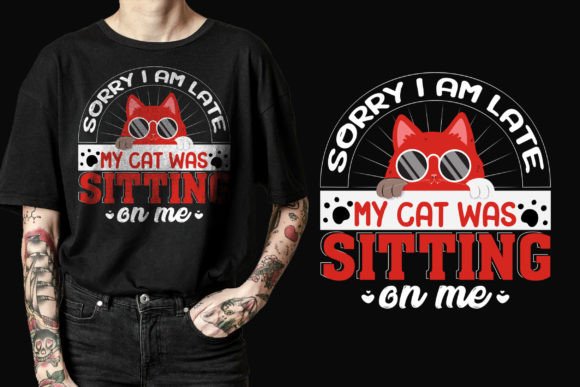
Funny Cat T-shirt Design Vector: Creative Possibilities
A funny cat t-shirt design vector is far more than a playful graphic. It is a springboard for merchandise, a branding toolkit, and a chance to connect with audiences who share a love for feline humor. In the right hands, a single vector illustration can become the backbone of a cohesive print-on-demand collection, a limited-edition apparel drop, or a thoughtful gift line. The key lies in understanding its potential beyond the obvious. Whether you run a small Etsy shop, experiment with Amazon Merch, or build a personal brand around witty animal art, how you approach the design determines its reach and profitability.
What a Funny Cat T-shirt Design Vector Actually Contains
When you buy or create a funny cat design in vector format, you usually receive AI, EPS, and SVG files that remain crisp at any size. These are complemented by a high-resolution PNG with a transparent background and a print-ready PDF. This combination means you are never locked into one product type. The transparent PNG is ideal for quick mockups and online previews, while the fully editable AI or EPS files allow you to recolor elements, rearrange components, or combine the art with custom typography. That flexibility is what separates a static image from a true design asset.
Because the graphic arrives in vectors, you avoid the frustration of pixelated prints on larger surfaces. A design that looks sharp on a chest print also stays sharp when scaled up for an all-over hoodie or a canvas tote bag. For anyone selling through platforms like Teespring, Printful, or Merch by Amazon, this means fewer returns, better reviews, and a more professional store appearance.
Exploring Different Styles and Moods
Funny cat vectors come in countless styles. You might encounter a grumpy cartoon cat with a deadpan expression, a whimsical kitten tangled in a ball of yarn, a cat dressed as a taco, or a silhouette-based design that relies on clever negative space. The style you choose shapes the demographic you attract. Minimalist line art appeals to adults who prefer subtle humor, while bold, colorful retro cats attract a more playful crowd.
Some creators lean into relatable moments: a cat sitting on a laptop keyboard, a feline startled by a cucumber, or the classic “if I fits, I sits” pose inside a cardboard box. These everyday scenarios resonate because they are instantly recognizable. A vector design that captures a slice of real cat behavior often outperforms abstract ideas. If you are customizing the vector, consider exaggerating the eyes, paws, or posture to heighten the comedic effect without losing clarity.
Adapting the Design for Different Audiences
A single funny cat vector can speak to multiple niche groups when you add thoughtful text or complementary icons. For a gaming audience, you might place the cat inside a controller shape and add the phrase “Player Purr.” For hiking enthusiasts, a cat in a tiny backpack with the caption “Peak Purrformance” blends outdoor culture with feline charm. Teachers appreciate school-themed cat humor, such as a cat grading papers or wearing glasses with the message “Purr-fect Attendance.”
This adaptability matters for small business owners who want to diversify their product lines without commissioning new art every time. By modifying the existing vector—changing colors, duplicating elements, or wrapping text around the graphic—you create fresh listings that still feel cohesive. When you target subcultures like book lovers, coffee addicts, or yoga practitioners, the same base cat can become a cornerstone of multiple campaigns.
Typography and Layout Strategies
Pairing the vector with the right font amplifies the humor. A bold sans-serif gives a modern, confident feel, while a hand-lettered script adds personality. Avoid placing text in areas that wrap around the body on a t-shirt, as this can distort readability. Instead, place the phrase directly above or below the cat graphic, or integrate it into a circular badge layout that keeps everything centered and balanced on the chest.
If you sell on marketplaces that require a clean front print for t-shirts, test your layout on a digital mockup before listing. Pay attention to the distance between the design and the collar. An ideal placement is typically 7–10 cm below the neckline, which you can simulate in your preview images. Consistent, well-aligned presentation reassures buyers that the product will look as expected when it arrives.
Practical Uses Beyond Apparel
The versatility of a funny cat vector extends well past t-shirts. Here are some product categories where the same design can thrive:
- Tote bags – A large, centered print of a goofy cat catches attention at grocery stores, farmers' markets, or bookshops.
- Mugs – A smaller version of the design works on one or both sides; a portrait-oriented cat works best for standard 11 oz mugs.
- Pillows and cushions – The transparent PNG file allows you to preview how the cat sits on a square or lumbar pillow.
- Phone cases – A high-contrast, simplified version of the cat creates a fun accessory without overwhelming the phone's form factor.
- Stickers and decals – The SVG file is perfect for die-cut stickers, and a funny cat design works on laptops, water bottles, and car windows.
- Pet accessories – Ironically, a funny cat graphic on a bandana or a pet bowl for cats (or even dogs) becomes a charming gift item.
When branching into multiple product types, maintain visual consistency. If your cat design features a specific color palette—say, warm oranges and teal—carry those colors across all items. This strengthens brand recognition and makes your overall collection look curated rather than random.
Making the Most of Print-on-Demand Platforms
Different print-on-demand services have varying requirements for file resolution, color profiles, and bleed areas. A clean vector file gives you an advantage: you can export exactly the dimensions needed for Teespring’s recommended 4500×5400 pixels for the PNG, or adjust for Printful’s direct-to-garment printing guidelines. The PDF and AI files let you send production-ready artwork without quality loss.
When uploading to Amazon Merch, remember that simplicity often sells better. A funny cat design that relies on a strong silhouette and minimal fine detail will reproduce more reliably across shirt colors and fabric blends. Busy backgrounds or gradients might look great on a screen but lose impact when printed. Keep your main subject—the cat—clear and distinct. If you want to add a backdrop, use a solid shape or subtle halftone pattern that doesn’t interfere with the illustration’s edges.
Real-World Inspiration: From Memes to Masterpieces
Memes are a staple of cat humor, and many successful t-shirt designs borrow from meme culture without directly copying copyrighted images. A well-drawn vector illustration of an annoyed cat with the phrase “Monday Mood” channels the energy of a popular meme but remains entirely original. This approach allows you to tap into viral sentiment while retaining full ownership of your artwork.
Another approach is to design a “cat pun” series. From “Purrrito” (cat wrapped like a burrito) to “Feline Fine,” these designs appeal to wordplay enthusiasts and cat parents alike. Because the humor is language-based, the vector can be adapted for different markets by simply translating the pun. The visual stays the same, while the text evolves—an economical way to reach international buyers.
Keeping Your Designs Audience-Friendly and Print-Safe
Humor is subjective, so aim for designs that are broadly appealing. Avoid jokes that could be misinterpreted or that rely on negative stereotypes. A funny cat design works best when the universal nature of cat behavior—curiosity, sudden zoomies, judgmental stares—does the heavy lifting. People from different backgrounds can laugh at a cat who thinks the vacuum cleaner is an enemy.
From a technical standpoint, ensure the vector uses RGB color mode if your final output is digital and for some print-on-demand services that prefer RGB. However, always check the platform’s guidelines; a few require CMYK. The beauty of a high-quality vector is that you can convert color modes without degrading the image. Before ordering a sample, zoom in to 100% in your design software and inspect edges. If any lines appear jagged, adjust the vector paths until they are smooth.
Staying Organized as Your Collection Grows
Once you adapt one funny cat vector into multiple products, keeping files organized becomes essential. Create a folder structure that separates source vectors (AI, EPS) from exported files (PNG, PDF, SVG) and platform-specific mockups. Use descriptive file names like FunnyCat_Taco_Purrrito_WhiteTee_4500x5400.png instead of generic labels. This practice prevents rework and makes it easy to update a design across all listings if you later improve the illustration.
If you collaborate with other designers or outsource text modifications, share only the necessary file formats and include a brief style guide. Specify the exact font names, color hex codes, and placement instructions. Clear communication protects consistency and ensures every variant of your funny cat vector aligns with your brand’s visual language.
Turning Inspiration Into Action
Begin by identifying the emotion you want your funny cat design to evoke. Is it the quiet judgment of a cat giving side-eye, the chaotic energy of a kitten mid-leap, or the cozy comfort of a napping feline curled in a sunbeam? Once you define that tone, select and tweak your vector to match. Then, choose one product—perhaps a t-shirt—and craft a thoughtful listing that highlights the humor, the print quality, and the gift potential. From there, expand into mugs, bags, and digital stickers as you learn what your audience responds to best.
The true value of a funny cat t-shirt design vector lies not in the file itself but in how creatively you apply it. With smart adaptations, rigorous testing, and attention to detail, a single graphic can power an entire line of merchandise that delights buyers and keeps them coming back for the next clever feline idea.