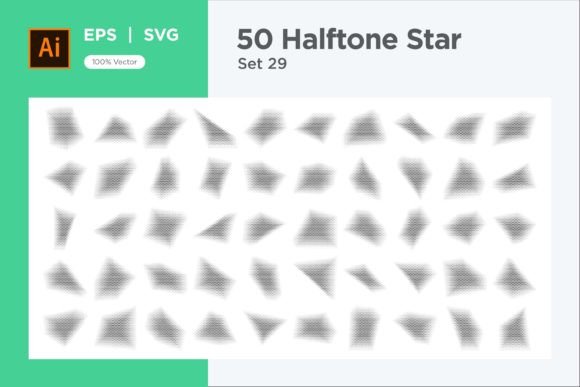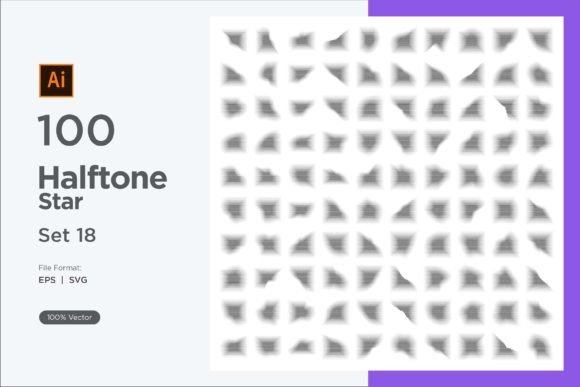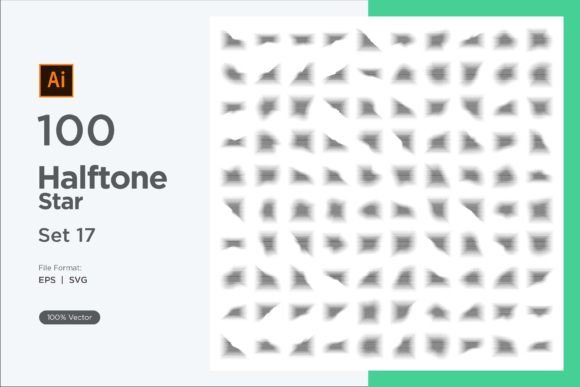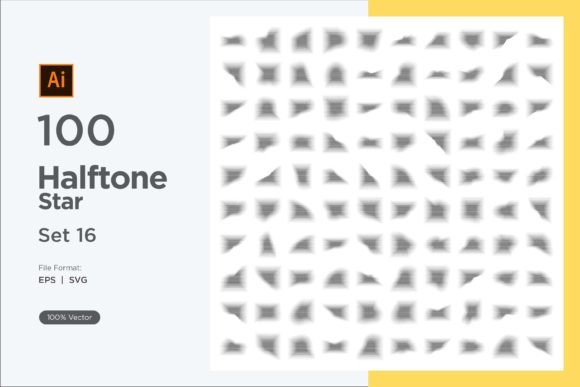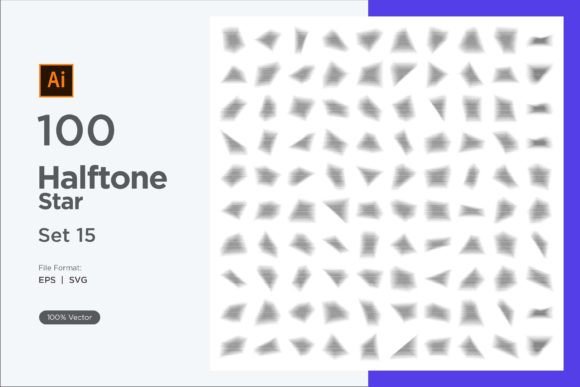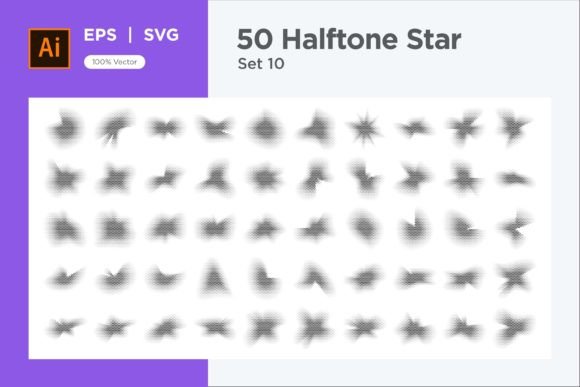
Finding the Right Texture With Stars Shape Halftone Background 50-10
Sometimes a design project calls for something that feels both structured and a little unpredictable. That's where a Stars Shape Halftone Background 50-10 tends to shine. The name might sound technical, but the idea is straightforward. You take a familiar symbol, the star, and repeat it across a canvas with a halftone treatment that shifts density, scale, or spacing. The result is a pattern that carries real visual weight without flattening into a simple wallpaper. Designers who have worked with this kind of asset often describe it as having a built-in focal rhythm, almost like the pattern breathes as your eye moves across it.
What makes the halftone approach interesting is how it borrows from old print techniques but lands somewhere entirely modern. Instead of solid fills, the stars break down into dots or gradations that suggest light, shadow, or motion. The effect can lean cosmic, slightly retro, or even editorial depending on how you push it. And because the collection includes both EPS and SVG formats, you are not locked into one way of working. You can open the files, recolor the stars, adjust the dot spacing, or pull individual elements apart for custom compositions.
Where a Repeating Star Pattern Actually Gets Used
It might be tempting to think of this as a niche resource, something you would only reach for when a client asks for a night sky motif. In practice, the Stars Shape Halftone Background 50-10 shows up in far more varied places. The halftone quality gives it an editorial edge that works well for magazine layouts, zine covers, or event posters that need to feel curated rather than commercial. A music festival brand, for instance, might layer it behind bold typography to create a sense of depth without distracting from the lineup names.
Merchandise designers often turn to halftone star patterns when they want something that prints cleanly on fabric. The dot-based structure translates well to screen printing because the ink coverage is naturally broken up, meaning fewer issues with heavy saturation or cracking on dark garments. A streetwear label might use the pattern as an all-over print on a hoodie lining or as a subtle texture inside a graphic tee design.
Then there is the packaging world. Cosmetic brands that lean into celestial or mystical branding gravitate toward star motifs, but a flat star repeat can feel juvenile. The halftone treatment adds a layer of sophistication that makes the difference between something that looks like a children's sticker sheet and something that belongs on a premium serum box. When the stars vary in density, the packaging catches light differently, almost mimicking an embossed texture without the production cost.
Why Halftone Stars Work Differently Than Solid Patterns
A flat repeating star background does one thing well. It fills space. But a halftone version does something more nuanced. It creates a sense of atmosphere. The dots that form each star can be tight and dark near the center and feather out toward the edges, which tricks the eye into perceiving a glow. Or the entire field of stars can transition from dense to sparse, giving the impression of drifting or falling motion. These are qualities you cannot easily fake with a standard vector pattern swatch.
For motion designers, this matters even more. Animated backgrounds built from halftone stars can shift their dot density frame by frame, creating a shimmer or twinkle that feels organic. Because the source files are fully vector, scaling them for large screens or cropping into tight compositions does not introduce pixelation. A title sequence for a documentary about space exploration might use the background almost as-is, while a YouTube channel about retro gaming could recolor it in neon palettes and crank the contrast for a completely different energy.
Different Audiences, Different Approaches
A graphic designer working on a children's book might use the Stars Shape Halftone Background 50-10 as a soft, dreamy endpaper pattern, keeping the stars large and airy with pastel tones. That same file in the hands of a nightclub event promoter becomes something entirely different. Dark background, metallic gold or electric blue stars, tightly packed halftone dots that pulse under UV lighting on a flyer. The asset itself does not change. The context does.
Web designers often find halftone star patterns useful for hero sections or footer backgrounds where a solid color block feels too heavy. Layering the pattern with reduced opacity over a gradient creates depth without overwhelming the text. Since SVG backgrounds scale responsively, a star pattern that looks crisp on a 27-inch monitor will also hold up on a mobile screen without looking cluttered.
Crafters and small business owners use these files in ways that larger agencies might overlook. A sticker shop owner can import the SVG into Cricut Design Space, cut the stars from adhesive vinyl, and create layered decals with the halftone dots adding texture. Scrapbook designers use the EPS files to print custom patterned paper where the star density shifts across the page, creating natural focal points for photo placement.
Practical Observations From Working With the Files
Since the package provides 50 individual files in both EPS and SVG formats, organization becomes part of the workflow. Each file is a standalone design, meaning you are not scrolling through one massive document hunting for the right variation. This matters when you are working against a deadline and need to audition several options quickly. You can open five or six files, drop them into your layout, and compare how the halftone density interacts with your foreground elements.
The fully resizable nature of vector graphics means you are never stuck with the pattern at the scale it arrives in. Need the stars to be massive and dramatic for a billboard? Scale up. Need them tiny and subtle for a business card background? Scale down. The halftone dots adjust proportionally, so the effect remains consistent. This flexibility makes the collection viable across print and digital projects without needing separate assets for different resolutions.
Color editing is where a lot of users spend their first hour with these files. Opening them in Adobe Illustrator or any compatible vector tool, you can recolor the entire pattern in a few clicks. Some designers keep a master file with the original black halftone stars and then create project-specific versions with brand colors. Since the halftone effect relies on contrast between the dots and the background, darker stars on a light surface read differently than light stars on a dark surface. Testing both versions early in the design process can save time later.
Strengths Worth Noting and Limitations to Keep in Mind
One of the clearest strengths of the Stars Shape Halftone Background 50-10 collection is the variety within a single aesthetic theme. You get 50 distinct compositions, which means you can use different ones across a brand suite without everything looking identical. The landing page might use a widely spaced star field, while the product tags use a denser, more compact arrangement. They share a visual language but feel like deliberate variations rather than lazy repeats.
Another strength is format coverage. Having both EPS and SVG means you are prepared whether you are working in a professional print workflow or a web-based design tool. EPS files slot into older prepress pipelines without issues, and SVG files work natively in browsers, Figma, Canva, and most modern design apps. You are not forced to convert or compromise based on your toolset.
On the limitation side, halftone patterns by their nature depend on contrast to read properly. On very dark backgrounds with dark-colored stars, the halftone structure can start to disappear. The same pattern that looks striking in black on white might feel muddy in navy on charcoal. That is not a flaw of the files themselves so much as a consideration when choosing your palette. High-contrast combinations make the halftone effect pop. Low-contrast combinations soften it into something more textural and subdued, which might actually be what you want depending on the project.
Another practical note is that very fine halftone dots can become difficult to print at extremely small sizes, especially on textured paper or with certain printing methods. If your final output is a tiny hang tag or a narrow ribbon, you may need to scale the stars up or choose a variation with larger, more open dot patterns. Testing a proof print before committing to a full run is always wise when halftones are involved.
Bringing the Files Into Real Projects
The difference between owning a design asset and actually using it often comes down to how easily it fits into an existing workflow. With the Stars Shape Halftone Background 50-10, there is not much friction. The files are ready to use without additional processing, and the formats cover most professional and hobbyist tools. Some users set up a template file where they can paste a chosen star pattern, apply their client's colors, and export a branded background in minutes.
Others treat the collection as a starting point rather than a finished product. They might take a halftone star pattern, break it apart, and use individual stars as accent elements scattered around a layout. Or they might overlay two different patterns from the set at different opacities to create something entirely new. Since the vectors are fully editable, you are not restricted to using the designs exactly as they come.
Creative professionals who work across multiple disciplines tend to get the most mileage from a resource like this. A single purchase can supply background textures for social media posts, website sections, print collateral, merchandise, and presentation decks, all tied together by a cohesive visual thread. When the brand or project shifts direction, the files are still just as useful because the star and halftone combination is versatile enough to adapt rather than needing to be replaced.
If questions come up while working with the files, reaching out through the provided contact channels tends to resolve things quickly. Whether it is a technical question about a specific file or a request for guidance on achieving a certain look, direct support can cut through the guesswork. A quick message through a profile page or email often saves a frustrating hour of trial and error, especially when working on a tight deadline and trying to hit a specific visual target with the halftone effect.